
How to Hire a Fence Contractor in 2024 — The Complete Homeowner’s Guide (The PLMBR Way)
If you’re standing in your backyard wondering why a simple wooden fence feels like a full‑scale construction project, you’re not alone. Raw‑material price…
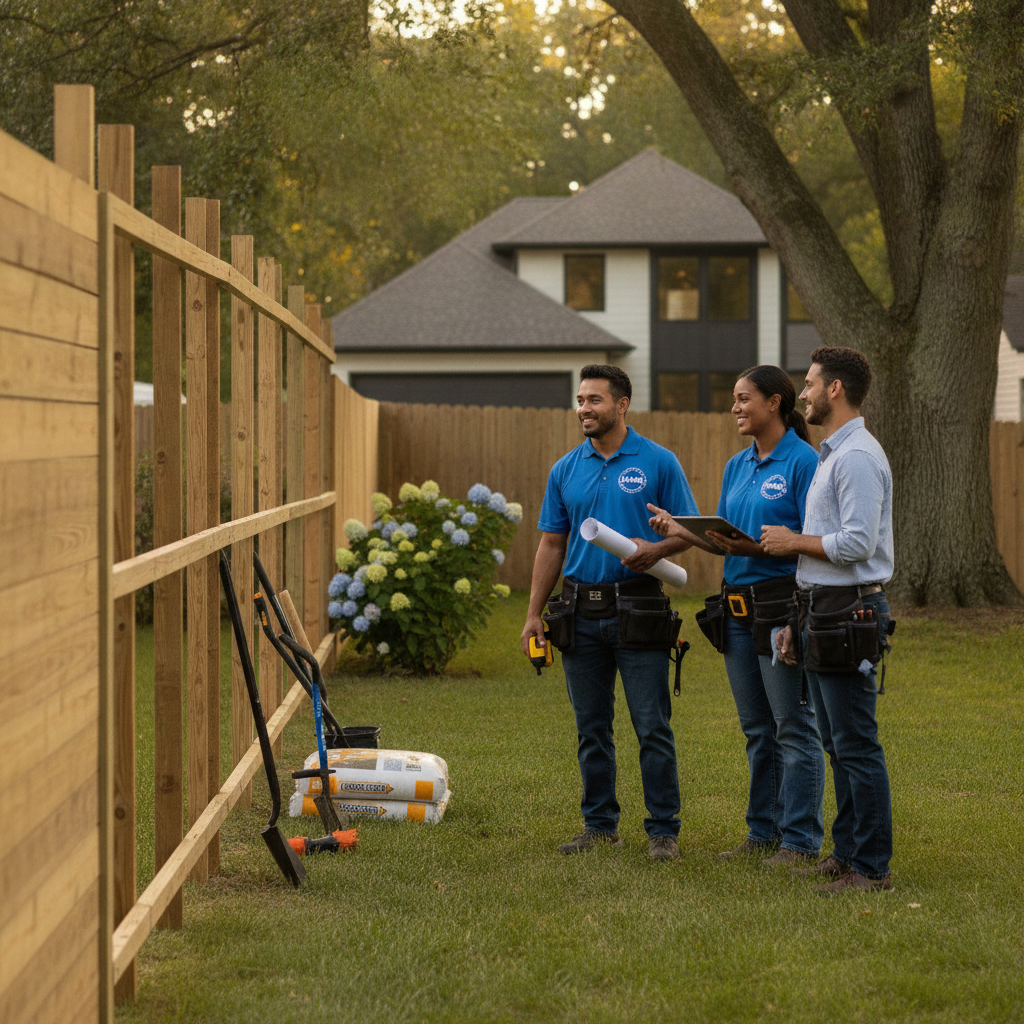
“The U.S. fencing market is on track to hit $48 B by 2030, yet homeowners still waste weeks chasing vague estimates and contractors bleed money on pay‑per‑lead traps.” – 2024 market research
If you’re standing in your backyard wondering why a simple wooden fence feels like a full‑scale construction project, you’re not alone. Raw‑material price swings, new municipal regulations, and outdated lead‑gen platforms have turned fence‑installation into a guessing game. This guide walks you through everything you need to know—materials, pricing, compliance, and, most importantly, a friction‑free hiring workflow powered by PLMBR, the AI‑native home services workflow and payments platform.
What Homeowners Need To Know About Fencing
Fencing isn’t one‑size‑fits‑all. The right choice depends on aesthetics, security needs, budget, and local code. Below are the three most common fence families you’ll encounter in the Northeast corridor (NY, MA, PA, NH):
| Fence Type | Typical Uses | Pros | Cons |
|---|---|---|---|
| Wood (cedar, pine, redwood) | Classic curb appeal, privacy | Warm look, easy to customize, $15‑$30 / ft (incl. labor) | Susceptible to rot & insects; requires periodic staining |
| Vinyl | Low‑maintenance, modern look | Durable, $20‑$35 / ft, resists fading | Higher upfront cost; limited color palette |
| Metal (aluminum, steel, wrought iron) | Security, boundary definition, “smart‑fence” integration | Strong, fire‑resistant, $25‑$45 / ft, can support cameras | Installation can be pricey; material costs swing ±15 % YoY due to steel price volatility (Coherent Market Insights) |
Scroll to see all columns →
Material‑Cost Volatility
The past two years have seen steel and aluminum prices swing ±15 % YoY, which directly inflates metal‑fence quotes. If you receive a $4,500 quote for a 100‑ft steel fence one month and a $5,300 quote three weeks later, the difference is likely material market movement—not a contractor’s greed.
Regulatory Landscape (2024‑2025)
- Height Limits – New York City caps residential fences at 6 ft in most zones; Boston enforces a 4‑ft limit in front yards.
- Fire‑Resistant Requirements – Starting 2025, several municipalities (e.g., parts of Philadelphia) require non‑combustible fences for new builds or major remodels.
- Permit Obligations – Most cities demand a fence permit that includes a site plan, proof of setback compliance, and contractor licensing proof.
Pro‑Tip: Ask any contractor for a copy of their permit checklist before they start. Missing a permit can cost you $500‑$1,200 in re‑inspection fees.
Cost / Risk / Hiring Reality
Understanding the true cost of a fence project—and the hidden risks—prevents surprise bills and scope creep.
| Item | Typical Range (2024) | What It Covers | Common Pitfall |
|---|---|---|---|
| Material | Wood $5‑$12 / ft, Vinyl $10‑$20 / ft, Metal $15‑$30 / ft | Raw boards, posts, rails, gates | Ignoring price spikes on steel or cedar can add $1,000‑$2,000 |
| Labor | $5‑$18 / ft (depends on terrain & crew) | Excavation, post‑setting, grading, finishing | Under‑estimated site prep leads to “extra” charges |
| Permits & Fees | $50‑$300 per permit (varies by city) | City inspection, plan review | Skipping permit = fines & forced removal |
| Dispute Risk | — | Payment hold, work quality | 31 % of homeowners report payment disputes on legacy platforms (Jobber 2025) |
| Escrow/Progressive Billing | No extra cost (platform fee only) | Funds held until milestone completion | Reduces risk for both parties |
Scroll to see all columns →
Real‑World Example
Homeowner in Boston wanted a 120‑ft vinyl fence. Initial quote: $4,800 (material + labor). After a site visit, the contractor added a $950 “soil prep” line item. Using PLMBR’s structured booking packet, the homeowner saw the exact breakdown before signing, compared three competing packets side‑by‑side, and chose the provider with the lowest total cost ($4,820) and an escrow‑backed payment schedule.
How To Vet Providers Without Getting Burned
Traditional lead‑gen sites (Thumbtack, Angi, HomeAdvisor) operate on a pay‑per‑lead model. According to Trustpilot, 42 % of contractors say leads never convert—a clear sign that the system rewards quantity over quality. Here’s a vetted‑provider checklist that works on any platform, and it’s baked directly into PLMBR’s workflow.
-
Verify Licensing & Insurance
Require a copy of the contractor’s state license and liability insurance. In New York, the Department of Labor’s License Lookup can confirm legitimacy. -
Check Compliance Documents
PLMBR automatically flags expired insurance or missing workers’ comp, but if you’re on another platform, ask for a Certificate of Insurance and Workers’ Comp sheet. -
Read Structured Reviews
Look for line‑item feedback (e.g., “cleaned up site”, “stayed on schedule”). Generic 5‑star ratings are less reliable. -
Confirm Permit Experience
Ask: “Can you walk me through the permit process for a fence in Boston?” A knowledgeable contractor will cite the city’s building department and outline required documents. -
Compare Multiple Booking Packets
PLMBR’s Compare Quotes screen lets you line up at least three AI‑generated, line‑item quotes. Each packet includes:- Scope of work (post depth, gate hardware)
- Material breakdown with unit prices
- Milestone‑based billing schedule
- Terms & conditions (including dispute resolution)
Expert Insight: “When you see a quote that bundles ‘site prep’ without a separate line item, it’s a red flag. Transparent providers break every cost into its own row.” – Senior Fence Consultant, NARI
Where The Old Workflow Breaks
| Step | Traditional Process | Pain Point |
|---|---|---|
| 1️⃣ Intake | Homeowner fills a generic form on a marketplace; often only “type of fence” and zip code. | No photos, no urgency level → mismatched trades |
| 2️⃣ Matching | Keyword‑based search returns any contractor with “fence” in their title. | Low relevance, many dead leads |
| 3️⃣ Communication | Phone‑tag, endless email chains, missed messages. | Average time to hire 7‑10 days (Jobber) |
| 4️⃣ Quote | Contractor gives a vague “$3,000‑$5,000” estimate after a quick walk‑through. | Scope drift, surprise bills |
| 5️⃣ Payment | Cash or upfront payment, no escrow. | 31 % of homeowners experience payment disputes |
| 6️⃣ Follow‑up | No automated dispute resolution; homeowner must chase contractor. | Frustration, low satisfaction |
Scroll to see all columns →
These gaps are why 42 % of contractors feel they waste money on dead leads (Lead‑Gen Scam report) and why homeowners spend weeks negotiating the same details.
How PLMBR Changes This Workflow
PLMBR replaces the seven‑step nightmare with a four‑step AI‑native flow:
-
Conversational AI Intake – Describe your fence issue in plain English, attach photos, and answer a single smart follow‑up (e.g., “Is your property sloped?”). The AI instantly tags the trade, urgency, and location.

-
Semantic Search & Matching – Using vector embeddings, PLMBR surfaces only qualified, licensed pros within your radius. No more irrelevant results.
-
AI Agent Outreach (Premium) – A personal AI agent contacts multiple vetted contractors simultaneously, logs each response, and flags unanswered questions. Homeowners receive a single “Ready to Review” notification.

-
Booking Packet Comparison – Each contractor’s AI‑generated packet includes line‑item pricing, milestone billing, and legal terms. Compare them side‑by‑side in the Compare Quotes view.

-
Escrow‑Backed Payments – Funds are held in Stripe‑Connect escrow. Once you approve a milestone (e.g., posts set), the release is automatic. If a dispute arises, the AI‑mediated system provides evidence packs and recommendations, dramatically lowering the 31 % dispute rate.
-
Progressive Billing – For large jobs (e.g., a 300‑ft metal fence with gates), split payments into pre‑install, post‑install, and final phases. This protects both parties and aligns cash flow.
-
Integrated Dispute Resolution – An in‑chat dispute form appears directly in the thread, letting you attach photos and receive AI‑suggested next steps. No need to navigate separate support portals.
Result: Homeowners typically move from intake to signed booking packet in 2‑3 days—a 70 % speed improvement over the legacy workflow.
Questions To Ask Before Hiring
| Category | Sample Questions |
|---|---|
| Materials & Specs | • “What wood grade or vinyl thickness are you recommending and why?”<br>• “Will the metal fence meet the new fire‑resistant standards?” |
| Permits & Compliance | • “Do you handle the permit application for Boston’s 4‑ft front‑yard limit?”<br>• “Can you provide proof of liability insurance and workers’ comp?” |
| Timeline & Milestones | • “What are the key milestones and associated payments?”<br>• “How do you handle weather delays?” |
| Warranty & After‑Care | • “What warranty do you offer on materials and installation?”<br>• “Do you provide post‑install cleanup?” |
| Escrow & Billing | • “Will the payment be held in escrow until each milestone is approved?”<br>• “What’s the process if I dispute a line‑item?” |
Scroll to see all columns →
If a contractor hesitates or avoids answering any of these, consider another provider—especially on platforms that don’t enforce transparency.
Conclusion
Fencing projects are booming, but the old pay‑per‑lead, phone‑tag model is breaking under material price volatility, stricter regulations, and homeowner fatigue. By leveraging AI‑driven intake, semantic matching, structured booking packets, and escrow‑backed payments, PLMBR eliminates the three biggest headaches:
- Unclear pricing → Transparent, line‑item quotes.
- Dead leads & wasted time → Qualified matches only, AI outreach consolidates communication.
- Payment risk → Funds held in escrow, progressive billing, AI‑mediated dispute resolution.
Ready to get a clear, side‑by‑side fence quote in minutes—without hidden fees or endless phone calls?
👉 Try PLMBR today: PLMBR homepage | Find vetted fencing pros: Find Fencing pros on PLMBR | Compare quotes instantly: Compare quotes on PLMBR
Stay protected, stay informed, and let your fence be the only thing you have to worry about.
Further Reading & Resources
- U.S. Fencing Market Outlook 2024‑2030 – Coherent Market Insights
- NYC Building Code – Fence Height Limits – NYC Department of Buildings
- Consumer Guide to Home Service Payments – Federal Trade Commission (FTC)
- Professional Fence Contractor Association (NARI) – NARI.org
This guide is part of PLMBR’s ongoing series of home‑service resources. Explore more at our blog.